Confessions of a Convert: What Nobody Tells You About Joining an Old Polish Parish
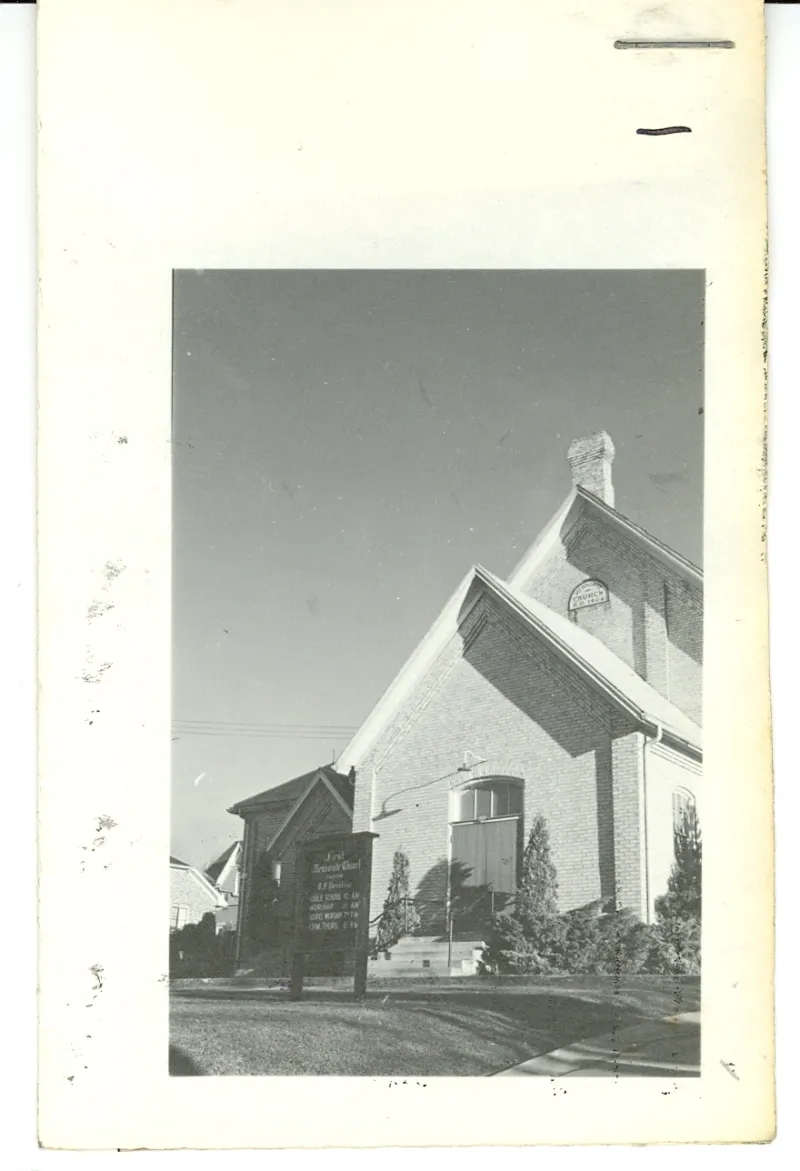
Photo: Mennonite Church USA Archives, No restrictions, via Wikimedia Commons
Lesson One: The Kitchen Committee Is the Real Synod
I came for the theology. I stayed because I learned, about six weeks in, that the women who run the parish kitchen effectively govern everything short of doctrine. Want to host a fundraiser? The kitchen committee decides. Proposing a new ministry? Run it past the kitchen. I once watched a bishop's suggestion about coffee hour be gently, immovably overruled by a woman who had managed the samovar since the Nixon administration. I now understand this was correct. She knew things the bishop did not — chiefly, which urn trips the breaker.
Lesson Two: Learn Ten Words of Polish. Any Ten.
Nobody expects fluency. But showing up to the parish pierogi workshop and saying dziękuję instead of thank you earns you a warmth that no theological acumen will ever secure. My vocabulary remains laughably small, yet it has purchased me more goodwill than a doctorate in liturgics ever could. Bonus: knowing smacznego before eating is the difference between being a guest and being family.
Lesson Three: The Priest's Hand Question Resolves Itself
I agonized for months over whether to kiss the priest's hand. I researched it. I asked online forums. Then one Sunday Father simply extended his hand, I panicked, and I shook it firmly like a Little League coach. He laughed and said, "Next time, try the hand. It's the one with the cross on it." The custom honors the hand that blesses; the sincerity matters more than the mechanics. Nobody is keeping score. Well — the grandmothers are keeping score, but charitably.
Lesson Four: You Will Be Fed Beyond All Reason
I assumed converts were welcomed. I did not anticipate being fattened. Within a year I had gained eleven pounds, inherited a standing invitation to three separate Sunday dinners, and been sent home with enough holishky to feed my household through Epiphany. In a historically Polish parish, refusing food is not humility; it is a theological error. Eat. Compliment the cook. Take seconds. This is asceticism for another season.
Lesson Five: History Is Present at Every Service
I thought I was joining a church. In truth, I joined a century of memory — names on memorial plaques, a bell cast in the old country, pews that hold the ghosts of miners and steelworkers. When you become Orthodox in a parish like mine, you are not starting a story. You are being grafted, late and grateful, into one that was already being told.
I wish I had known that from the beginning. It would have saved me from thinking I had to bring something. I only had to arrive.