One Door at a Time: The Kolęda Caravans Bringing Christmas to the Homebound Faithful
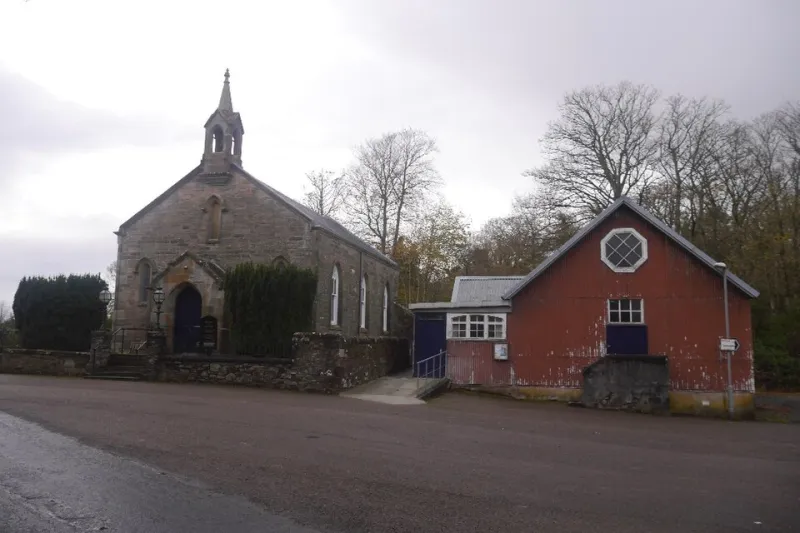
Photo: Kenneth Allen, CC BY-SA 2.0, via Wikimedia Commons
The Season After the Season
American culture packs Christmas away by December 26th. The Orthodox calendar, keeping the older Julian reckoning, is just warming up — and in Polish Orthodox parishes across Connecticut, January belongs to kolęda, the ancient custom of caroling from house to house.
But this is no sentimental doorbell tour. In parishes from New Britain to Bridgeport, kolęda has evolved into something closer to a pastoral mission: teams of faithful, often led by the priest, carrying carols, a blessing, and sometimes a small icon card to the people the parish rarely sees anymore.
Following One Parish's January
At one New England parish, the kolęda route reads like a map of hidden need. The first stop is a rehabilitation facility where a retired machinist, unable to attend liturgy since his stroke, waits by the window. The carolers squeeze into the room, sing Wśród nocnej ciszy — "In the Midst of Night's Silence" — and the old man weeps before the second verse ends.
Then a condominium where a widow keeps her icon corner exactly as her mother arranged it in 1962. Then a nursing home common room, where staff pull up chairs for residents who have never heard a Slavic carol but sit transfixed anyway. Then, finally, the home of a young family, where the blessing of the home — the poświęcenie domu — ends with children shyly offering the visitors pierogi.
By the end of the day, the priest has heard more confessions, answered more spiritual questions, and learned more about his flock's real condition than in three months of Sunday handshakes.
Why the Old Custom Works in a Lonely Age
America is measurably lonelier than the nation that received the great Polish immigrations. Surgeon General advisories on loneliness, rising isolation among the elderly, and the quiet abandonment of the homebound have become national concerns.
Against this backdrop, kolęda is quietly radical. It insists that the Church does not merely wait for people to come to it. It goes. It sings at the threshold of rooms that hospice workers rarely enter. It blesses kitchens where the only regular visitor is a home health aide.
Parishioners who participate describe the experience with a common phrase: "It changed how I see the parish." Door-to-door caroling collapses the distance between the strong and the weak members of the body of Christ, and it does so with nothing more than hymns, incense, and time.
An Argument for Expansion
There is a case to be made — and growing numbers of pastors are making it — that kolęda should be treated not as folklore but as strategy. In an aging, isolated America, the parish that sings at the door of every shut-in is practicing evangelism of the most credible kind: presence without an agenda, joy without a program.
The carols will fade by February. The visits, the homebound faithful say, do not.