The Parish Hall Evangelists: How Pierogi Suppers Are Bringing Strangers Through Orthodox Doors
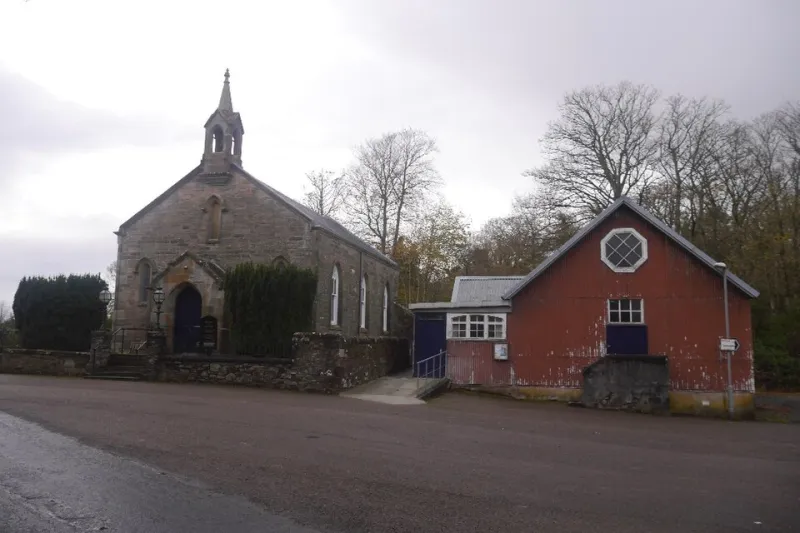
Photo: Richard Webb , CC BY-SA 2.0, via Wikimedia Commons
Father Michal has a simple metric for parish health that no diocesan report tracks: how many strangers ate pierogi in the hall last month. By that measure, his parish in western Massachusetts is thriving. Its monthly pierogi supper draws between 150 and 200 visitors — plumbers, teachers, retirees, young couples — the overwhelming majority of them not Orthodox, and not yet particularly curious about Orthodoxy either.
"They come for the food," he acknowledges. "They come back for the people. And somewhere in between, some of them wander into the church, see the icons, and ask a question. That question is the beginning of everything."
The Festival as Front Door
Polish Orthodox parishes have long held heritage festivals, but a quiet shift is underway: these events are no longer fundraisers with a side of culture. They are becoming deliberate points of contact — the public face of a community that historically kept to itself. Parish councils now schedule festivals around neighborhood calendars, advertise in town papers, and station docents in the church to explain the iconostasis to visitors who wander in holding plates of golabki.
The results are measurable. Several parishes report catechumen inquiries that trace directly back to a festival table. One community in the Midwest counts five adult converts in three years, every one of whom first entered the building through a cultural event.
Five Doors Into One Church
The methods vary, but the pattern holds:
1. The food fundraiser. Pierogi and kielbasa sales remain the workhorse — low-cost, high-goodwill, and impossible to replicate at a chain restaurant.
2. The open icon workshop. Parishes that open their studios for icon-writing demonstrations report that visitors who would never attend a service will happily spend an afternoon learning why the gold leaf goes on first.
3. The heritage concert. Polish hymnody and folk choirs draw audiences who then experience the acoustics — and the atmosphere — of a living church.
4. The cemetery and history walk. Docent-led tours of century-old parish grounds appeal to the genealogy crowd, a large and devoted American tribe.
5. The blessing of the harvest. Public outdoor blessings of fruits and flowers intrigue secular neighbors precisely because they cannot be explained by utility alone.
Hospitality as Argument
What unites these efforts is a conviction older than any program: that the faith is encountered before it is explained. In an era when Americans distrust institutional religion but remain starved for belonging, a parish hall where everyone is fed and no one is cornered may be the most persuasive apologetic available.
"I never once told anyone Orthodoxy is true," Father Michal says. "I just made sure the doors were open and the potatoes were peeled. The Holy Spirit seems to handle the rest."