Steeple for Sale: The Desperate Arithmetic of Saving Poland's Oldest Orthodox Landmarks in America
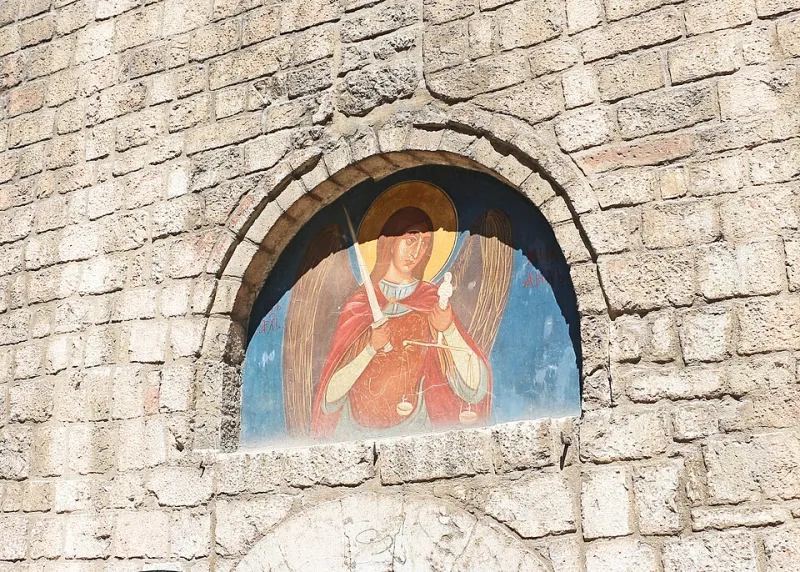
Photo: Bernard Gagnon, CC BY-SA 4.0, via Wikimedia Commons
On a gray Tuesday morning in Scranton, Pennsylvania, the finance committee of Holy Protection Orthodox Church gathered in the parish basement to review a bid from a real estate developer. The number was generous — seven figures for a building that has hosted the Divine Liturgy since 1907. The vote, after two hours of silence and one reading from the Psalms, was to table it indefinitely. "We are not ready to bury our grandparents twice," one member said afterward.
Holy Protection is not an outlier. Across the former industrial corridors of Pennsylvania, Ohio, Connecticut, and upstate New York, historic Polish Orthodox parishes are confronting the same arithmetic: shrinking congregations, rising maintenance costs on massive stone structures, and repair estimates that routinely climb past $1 million. Roofing contractors, masonry engineers, and boiler technicians have become, in the words of one diocesan official, "the most frequent visitors to our parish councils."
The Weight of Stone
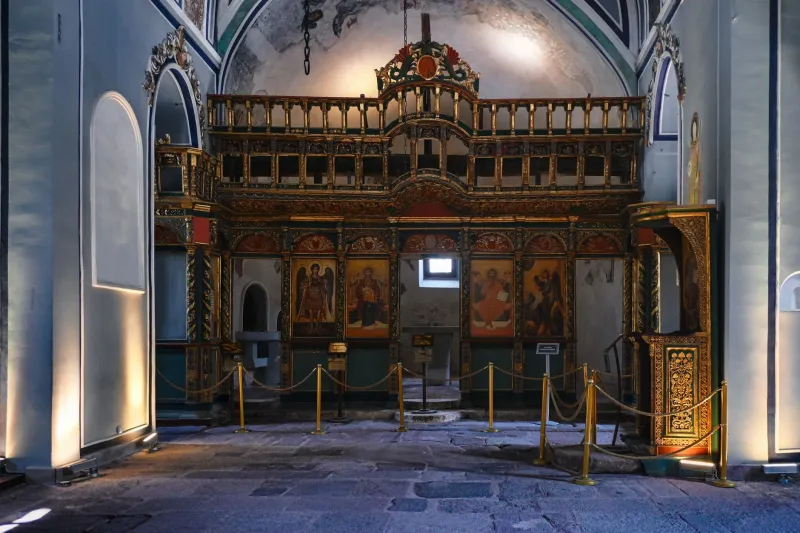
The buildings themselves are the problem and the treasure. Built by immigrant coal miners and mill workers who tithed from meager wages, they were constructed to last centuries — brick and limestone, domed cupolas, interior frescoes completed by artists brought from Europe. Preservationists argue they constitute an architectural record of a community that exists nowhere else in such density.
"These are not generic churches," says an architectural historian documenting the sites for a regional trust. "They are the physical autobiography of Polish Orthodox immigration. Once they come down, the story loses its punctuation."
Grants, Ghosts, and Adaptive Reuse
Some parishes have pursued federal and state historic preservation tax credits, with mixed results. Grant programs favor buildings of documented significance, but matching funds are difficult for congregations of fifty souls. Others have explored adaptive reuse — leasing parish halls, converting rectories to rental housing, hosting community nonprofits — arrangements that generate income but raise questions about whether the parish becomes a landlord with an iconostasis.
Diocesan leadership is candid about the tension. "We have a duty to the living Church, not only to the memory of the dead," one chancellor told Cerkiew America. "A congregation that exhausts itself maintaining a museum may cease to be a congregation at all. But we also cannot be the generation that signed the deed on our heritage because the boiler failed."
Two Futures, One Steeple
The Scranton committee, for its part, has settled on a middle course: a phased restoration campaign, a heritage grant application, and a covenant with a local historical society to document the interior frescoes should the worst occur. It is not victory. It is deferral with dignity.
What happens in these parish basements over the next decade will decide whether the skylines of America's old immigrant towns still bear the domes of Orthodox Poland — or whether the memory survives only in photographs, and in the conscience of those who sold.